February 15, 2026
Women's Month: Time to Talk About Health Starting With PCOS
Every March, Women's Month fills our feeds with messages of empowerment, celebration, and solidarity. It's a month that honors how far women have come. But for many Filipino women, the most empowering thing they could do this March isn't attend a panel or post a caption. It's make a doctor's appointment they've been putting off for years.
Because the truth is this: Filipino women are chronically underserved by the healthcare system not just in terms of access, but in terms of being taken seriously.
This Women's Month, &you wants to change the conversation. Not just about healthcare in general, but about the specific conditions that affect millions of Filipino women and rarely get the attention they deserve.
The Conditions We Don't Talk About Enough
Women's health extends far beyond reproductive care and maternal health though those matter enormously too. There are conditions that affect women's daily quality of life, self-image, professional performance, and long-term wellbeing that go largely unaddressed because the culture hasn't made it easy to talk about them.
Here are some worth putting on your radar this Women's Month:
PCOS: The Condition That Hides In Plain Sight
Polycystic Ovary Syndrome (PCOS) is one of the most common hormonal conditions affecting women of reproductive age estimated to affect 1 in 10 women worldwide, with rates in the Philippines likely even higher given the strong link between PCOS and metabolic factors like insulin resistance.
And yet, many Filipino women with PCOS go undiagnosed for years. Why? Because the symptoms are easy to dismiss, and the healthcare system often does exactly that.
PCOS can present as:
- Irregular or missed periods, often brushed off as stress
- Unexplained weight gain, particularly around the abdomen
- Persistent acne that doesn't respond to conventional skincare
- Hair thinning or loss on the scalp, alongside unwanted hair growth on the face or body
- Fatigue and brain fog that makes daily functioning harder
- Mood fluctuations linked to hormonal imbalance
- Difficulty conceiving, often the moment women first seek help
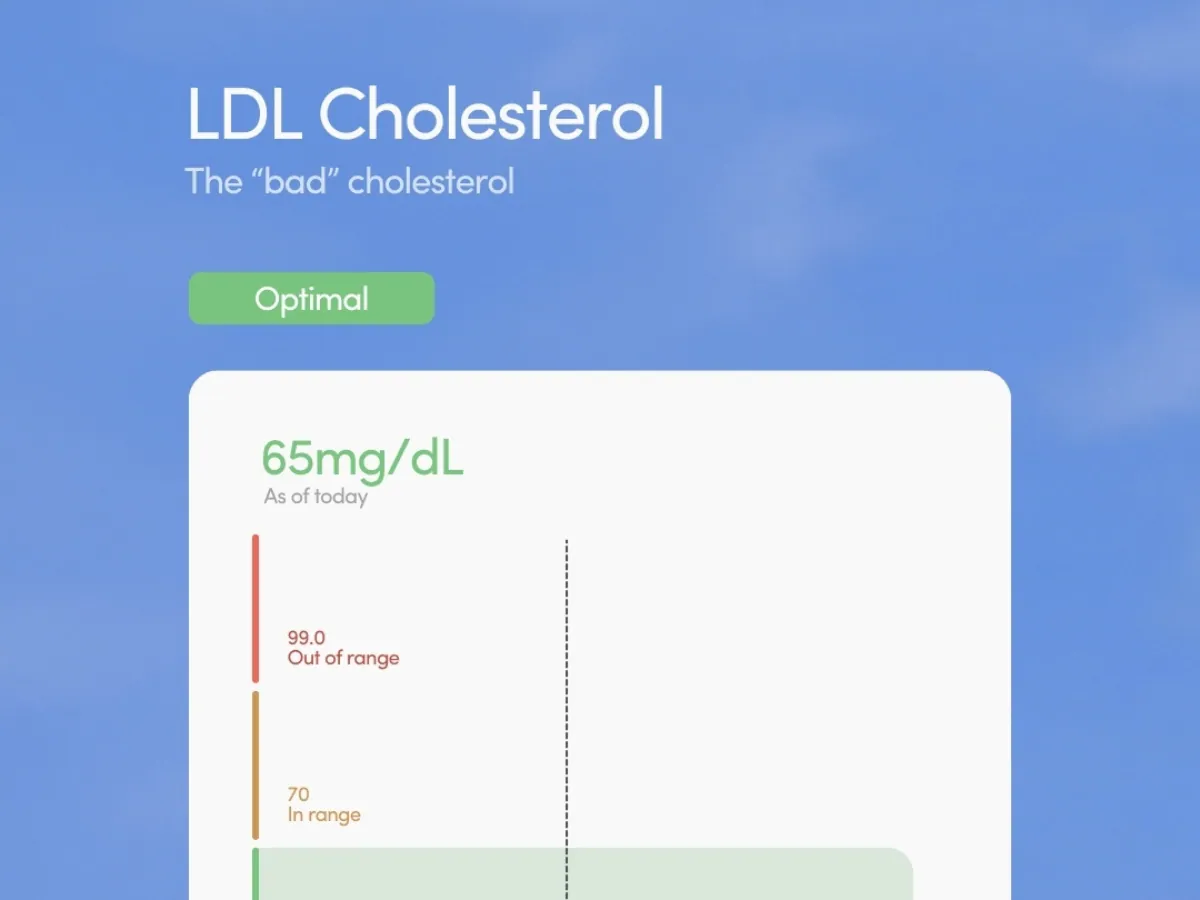
- LDL-C is increased in women with PCOS
The challenge with PCOS is that it looks different in every woman. There is no single defining symptom. And because many of its manifestations weight, skin, hair, mood, touch on areas where women are already conditioned to feel shame, many simply absorb them as personal failings rather than medical realities.
PCOS is not a personal failing. It is a manageable medical condition. And it deserves proper care.
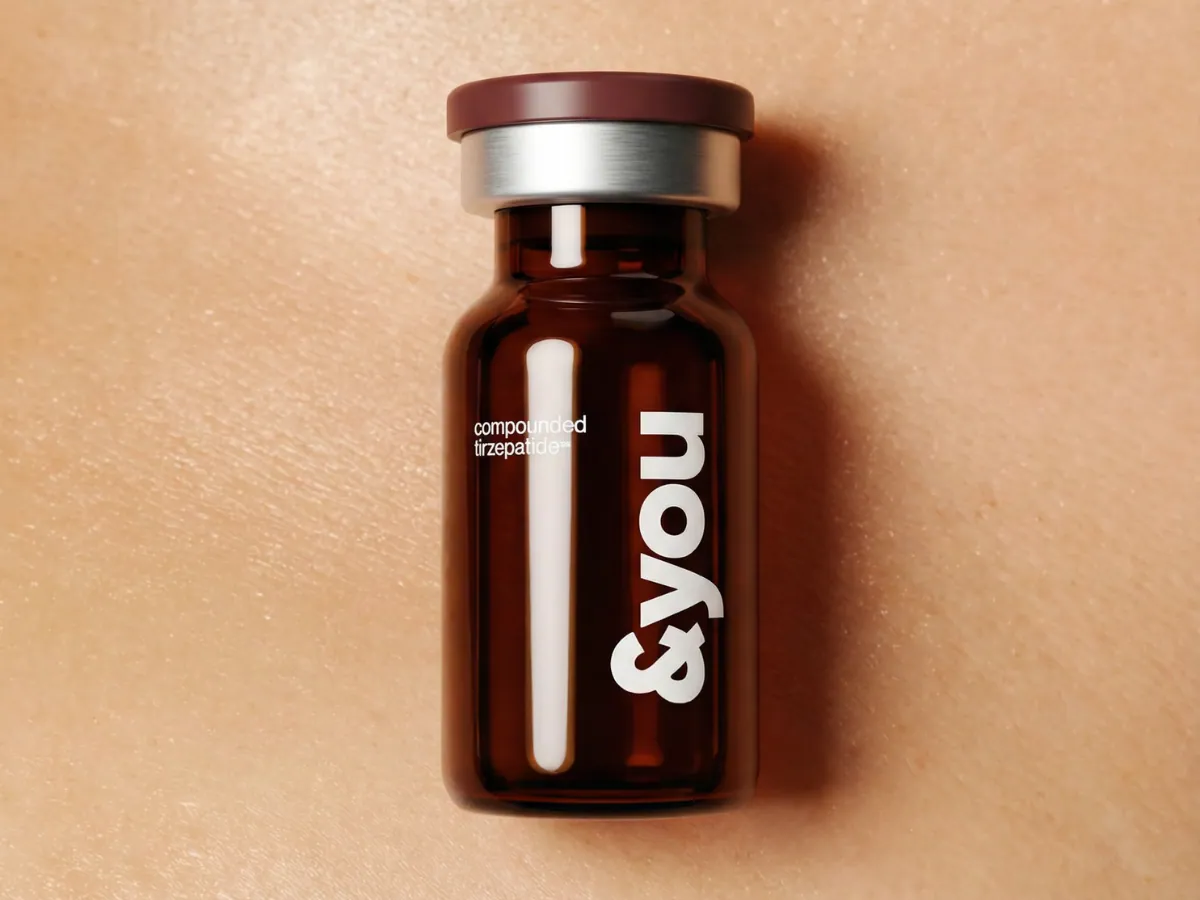
Management typically involves a combination of lifestyle interventions: nutrition, movement, sleep alongside medical support tailored to a woman's specific hormonal profile and goals. Some women benefit from hormonal therapy. Others find that targeted weight management support (including GLP-1 medications, which have shown meaningful benefit for women with PCOS-related insulin resistance) makes a significant difference. Many need both.
What every woman with PCOS deserves is a doctor who listens, a diagnosis that doesn't take a decade, and a care plan that treats the whole person not just a single symptom.
Hair Loss In Women: More Common, More Overlooked
Female pattern hair loss affects roughly 40% of women by age 50, yet it remains dramatically underdiscussed compared to hair loss in men. For many women, it begins subtly: a slightly wider part, more strands on the pillow, a ponytail that feels thinner than it used to.
For women with PCOS, hair thinning is especially common driven by elevated androgens that miniaturize hair follicles over time. But hormonal shifts at other life stages, nutritional deficiencies, thyroid conditions, and chronic stress can all contribute as well.
The good news: effective, evidence-based treatments exist. The barrier, more often than not, is simply knowing where to go and feeling safe enough to ask.
Mental Health: The Weight We Carry
Filipino women are disproportionately likely to experience anxiety and depression and disproportionately unlikely to seek professional help. Cultural expectations around resilience, the stigma attached to mental health struggles, and the practical barriers of cost and availability all play a role. This Women's Month, it's worth naming clearly: burnout is not a badge of honor. Mental wellness is healthcare. And it's available.

What You Can Do This March
Empowerment isn't only a macro concept. It happens in the small, private, personal decision to finally look into that symptom you've been ignoring, to book the consultation you've been putting off, to take your own health seriously in a world that hasn't always done it for you.
&you was built with Filipino women in mind because so many of the conditions the platform addresses intersect directly with women's health. Whether you're investigating a PCOS diagnosis, managing hair loss, seeking mental wellness support, or simply starting the conversation for the first time, &you offers a space that is clinical without being cold, accessible without cutting corners.
This Women's Month, the most feminist thing you can do might just be to take care of yourself. You've earned it. You deserve it. And the support is there, whenever you're ready.
For press, media requests, and official statements, please direct all communications to the &you Press Team at press@andyou.ph.